In recent weeks, many consumers have been asking the same question:
should I fix my energy prices now, or stay on the price-capped tariff and wait?
This question has gained attention following commentary by Martin Lewis, who has highlighted that some fixed energy deals are currently priced below the existing price cap, while still allowing households to benefit from government support later in the year.
This article explains the facts, the trade-offs, and the real consumer considerations, without telling anyone what they “should” do.
What the energy price cap actually means
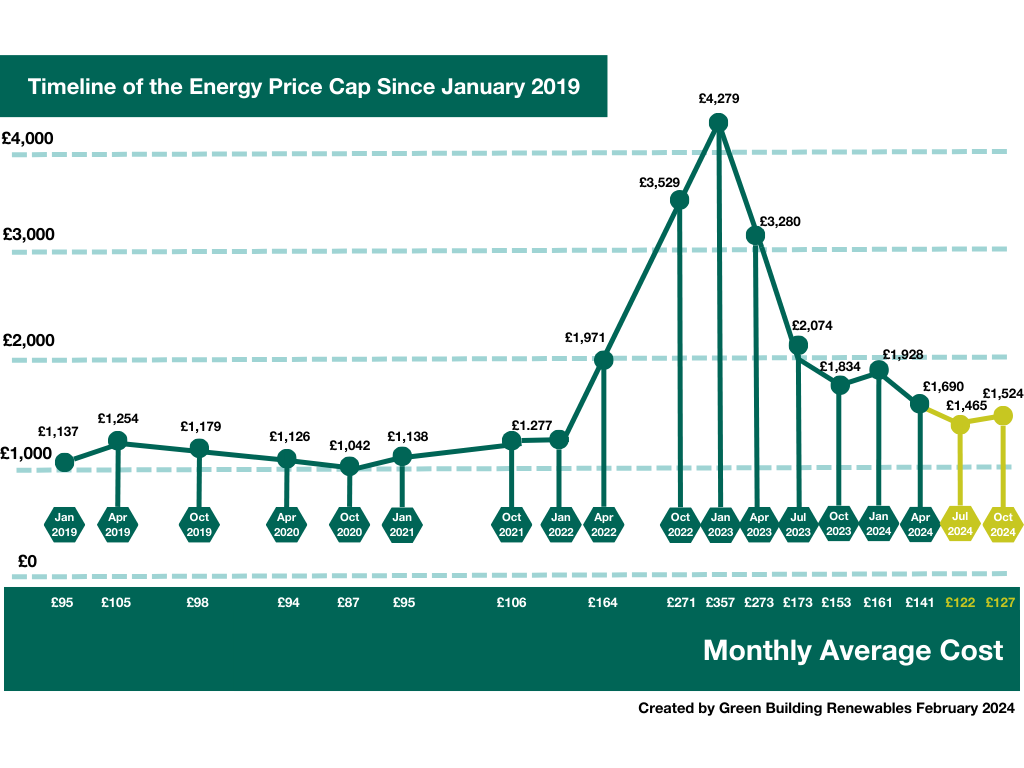
The UK energy price cap, set by Ofgem, is often misunderstood.
It does not mean:
- the cheapest available energy price, or
- a recommendation for consumers.
It does mean:
- the maximum unit rates suppliers can charge customers on standard variable tariffs
- a cap that changes quarterly, not monthly
- a price level many households end up paying by default
In short, if you are on a standard variable tariff, you are usually paying the highest rates suppliers are allowed to charge at that time.
Why some fixed tariffs are cheaper right now
At present, some fixed-rate energy tariffs are around 10–15% below the current price cap.
This can happen for several reasons:
- suppliers want predictable income
- wholesale energy prices have stabilised compared to recent volatility
- competition for customers has returned after years of market disruption
A fixed tariff allows suppliers to lock in customers, while allowing consumers to lock in price certainty.
What fixing your energy prices does — and doesn’t — do
Fixing your tariff:
- ✔️ provides certainty over unit rates
- ✔️ protects against future price rises
- ✔️ makes budgeting easier for some households
However, fixing does not:
- guarantee you pay the lowest possible price in future
- protect you if market prices fall later
- suit every household or usage pattern
Fixing is best understood as a risk-management choice, not a prediction about where prices will go next.
What about the £150 energy rebate?
An important point often overlooked is that eligible households will still receive the £150 energy rebate in April, even if they are on a fixed tariff.
Being on a fix does not automatically exclude consumers from this support.
When consumers may want to review their tariff
While this article does not give personal advice, many consumers choose to review their tariff if they:
- have high or predictable energy usage
- are on a tight or fixed income
- value stability over market speculation
- want to reduce exposure to future price rises
Others may prefer flexibility and are comfortable with uncertainty.
Both approaches are valid.
Important consumer note
This article is provided for general information only.
It does not constitute personal financial or energy-tariff advice.
Energy usage, household circumstances, contract terms, and risk tolerance vary.
Consumers should review their own situation carefully before making decisions.
About Golden Shield Consumer Services
Golden Shield Consumer Services helps consumers understand their options, challenge unfair treatment, and resolve disputes with energy suppliers and other major providers.