
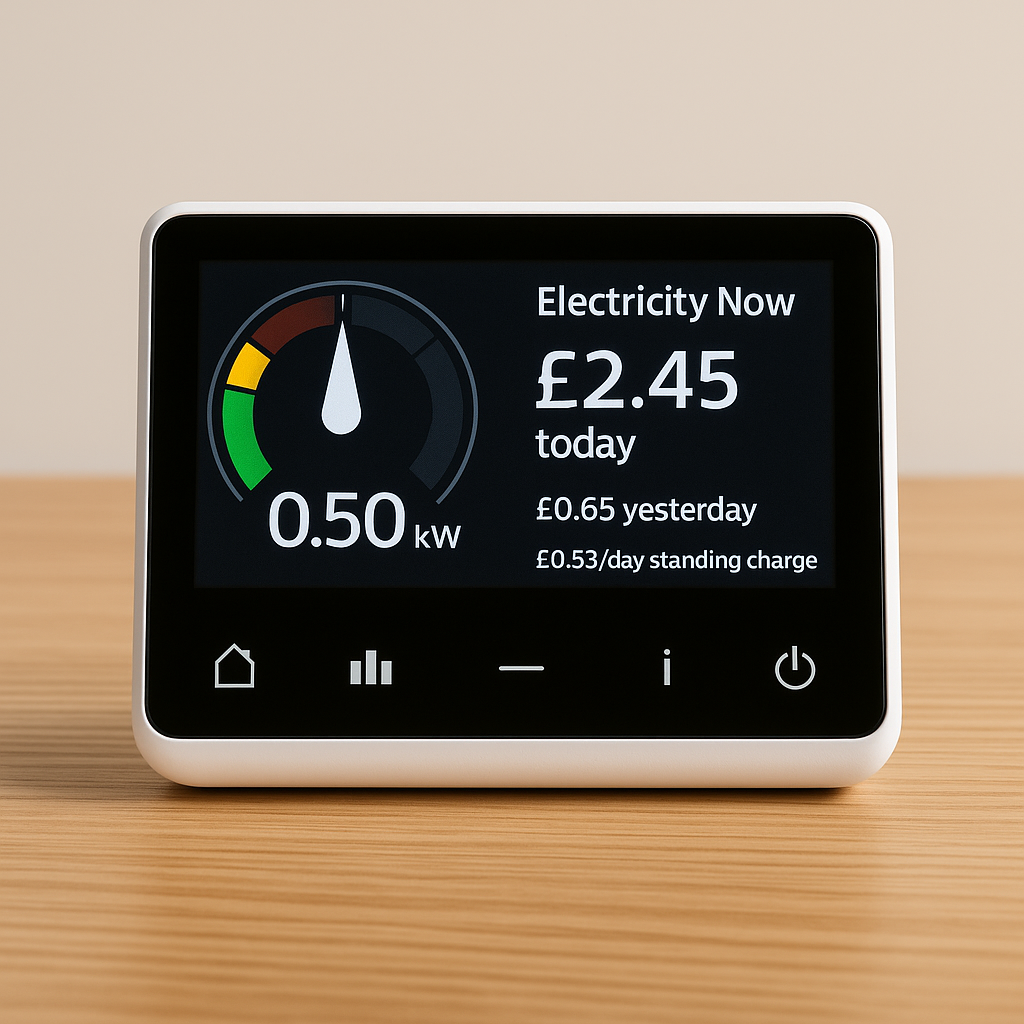
From 1 October, the Ofgem energy price cap increased again. For a “typical” household, that’s around £35 a year extra on the standard variable tariff.
Here’s what you need to know:
What changed
- The average electricity unit rate under the cap is now 26.35p per kWh
- The daily standing charge is about 53.68p
(These are average figures – they vary by region and meter type) - Why it matters
- If you’re on a standard variable tariff, you’re paying the capped rates or close to them.
- Fixing your tariff now could protect you from further increases.
- What a good fixed deal looks like
- Unit rate below the cap (e.g. 24–25p per kWh)
- Standing charge ideally under 50p per day
- 12–24 month term
- Reasonable or no exit fees
- How to compare
- Don’t just look at the “£/year” estimate
- Focus on the pence per kWh + standing charge
- Check exit fees and contract length carefully
- Take action
- Review your tariff this week
- If you find a deal cheaper than the cap numbers above, consider fixing
- Ask your supplier if they’ll match or beat the cap
- 💡 Tip: Even a small saving on the standing charge adds up – 5p per day is over £18 a year.
- I am currently paying 19.487p per kWh with a standing daily charge of 64.109p fixed until Feb 2026. British Gas fixed is 23.861p per kWh, standing daily charge of 50.778, their variable rate is 26.834p per kWh, standing charge of 51.686p. EDF fixed is 26.697p per kWh, standing charge of 44.832p, their varaible rate is 26.834p per kWh, standing charge of 51.686p. So it pays to shop around.
- If you feel you have been overcharged or treated unfairly by your energy provide get in touch for a free case review.